

Innovative Custom Framing Techniques Explained
- David Pace
- 4 hours ago
- 4 min read
When it comes to preserving and showcasing our most treasured artworks and memories, framing plays a vital role. It’s not just about protecting a piece of art or a photograph; it’s about enhancing its beauty and making it a focal point in any room. Over the years, framing has evolved far beyond the traditional wooden borders and glass covers. Today, we have a variety of innovative custom framing techniques that bring creativity, personality, and sophistication to every piece. Let’s explore these exciting methods together and discover how they can transform your art and cherished keepsakes.
Exploring Innovative Framing Techniques
Innovative framing techniques open up a world of possibilities for art lovers and collectors. These methods combine craftsmanship with modern design trends, allowing us to tailor frames that complement the artwork and the space it inhabits. One of the most exciting aspects of these techniques is how they blend traditional skills with new materials and technology.
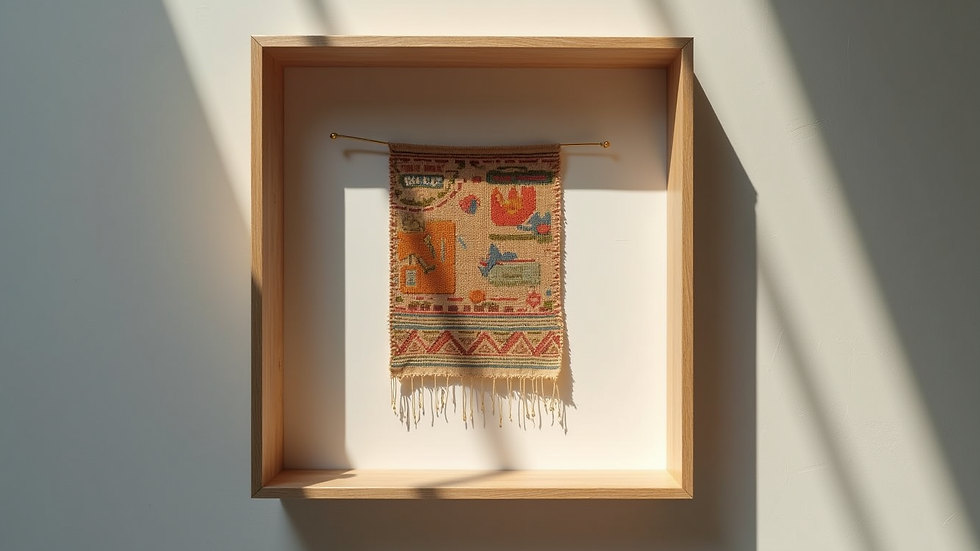
For example, floating frames create a stunning visual effect by suspending the artwork within the frame, giving it a sense of depth and dimension. This technique works beautifully with canvases and prints, making the piece appear as if it’s hovering inside the frame. Another popular method is the use of shadow boxes, which add space between the artwork and the glass, perfect for three-dimensional objects like medals, textiles, or memorabilia.
We also see a rise in mixed media framing, where different materials such as metal, wood, and acrylic are combined to create unique textures and contrasts. This approach allows us to highlight specific elements of the artwork or the frame itself, making the entire presentation a piece of art.

What are different types of framing methods?
Understanding the variety of framing methods helps us choose the best option for each piece. Here are some of the most popular and innovative framing methods currently in use:
Traditional Framing
This classic method uses wood or metal frames with glass or acrylic glazing. It’s timeless and suits most artworks, especially photographs and prints.
Floating Frames
As mentioned earlier, floating frames create a gap between the artwork and the frame, adding depth and a modern touch.
Shadow Box Framing
Ideal for three-dimensional objects, shadow boxes provide extra space and protection, turning keepsakes into captivating displays.
Gallery Wrap
Commonly used for canvas art, this method stretches the canvas around the edges of a wooden frame, eliminating the need for an outer frame and giving a clean, contemporary look.
Acrylic or Glass Sandwich Frames
These frames use two clear panels to hold the artwork in place, offering a minimalist and sleek appearance that emphasizes the art itself.
Metal Frames with Custom Finishes
Metal frames can be customized with various finishes like brushed nickel, bronze, or matte black, adding a modern or industrial flair.
Multi-Opening Frames
Perfect for collages or series of photographs, these frames have multiple openings to display several pieces in one cohesive unit.
Each method has its own charm and practical benefits. Choosing the right one depends on the artwork’s style, size, and the atmosphere you want to create in your space.
Materials and Techniques That Elevate Framing
The choice of materials is crucial in innovative framing. Beyond the traditional wood and metal, we now have access to eco-friendly and high-tech options that enhance durability and aesthetics.
Sustainable Woods: Using reclaimed or sustainably sourced wood not only supports environmental responsibility but also adds character through unique grains and textures.
Acrylic and Plexiglass: These materials are lighter and more shatter-resistant than glass, making them ideal for larger frames or spaces where safety is a concern.
UV-Protective Glazing: This glazing protects artwork from fading due to sunlight exposure, preserving colors and details for years.
Matting Innovations: Mats are no longer just plain borders. We can now use textured, colored, or patterned mats that complement the artwork and add an extra layer of design.
Digital Printing on Mats and Frames: Custom patterns or even photographs can be printed directly onto mats or frame surfaces, creating a truly personalized look.
By combining these materials with expert craftsmanship, we can create frames that are not only beautiful but also built to last.
How to Choose the Right Framing Technique for Your Art
Selecting the perfect framing technique can feel overwhelming, but focusing on a few key factors can simplify the process:
Artwork Type and Size: Large canvases might benefit from gallery wraps or floating frames, while delicate prints could be best suited for traditional framing with UV-protective glass.
Room Décor and Style: Consider the style of the room where the art will hang. Modern interiors might call for sleek metal frames or acrylic sandwiches, while rustic spaces could be enhanced by reclaimed wood frames.
Purpose and Preservation: If the artwork is a valuable or sentimental piece, prioritize protective features like UV glazing and acid-free mats.
Budget: Innovative framing techniques can vary widely in cost. It’s important to balance your vision with what fits your budget.
Personal Taste: Ultimately, the frame should reflect your personality and how you want the art to be experienced.
We recommend consulting with a local framing expert who can guide you through these choices and offer samples or mock-ups. This hands-on approach ensures you’ll be delighted with the final result.
Bringing Your Vision to Life with Custom Framing
At the heart of every beautifully framed piece is a story - your story. Using custom framing techniques allows us to honor that story by creating frames that are as unique as the memories and art they hold. Whether you want to highlight a family portrait, preserve a local artist’s work, or display a collection of coastal photographs, innovative framing can elevate your space and deepen your connection to the art.
We encourage you to explore these techniques and think creatively about how framing can enhance your home or gallery. Remember, framing is not just a finishing touch; it’s an art form in itself. With the right approach, your framed pieces will become cherished focal points that inspire and delight for years to come.
Let’s celebrate the beauty of art and craftsmanship together by embracing these innovative framing techniques and making every piece truly shine.


Comments