

Essential Techniques for Custom Framing Mastery - Framing Techniques Guide
- David Pace
- Apr 7
- 4 min read
When we think about preserving our most treasured memories or showcasing beautiful artwork, custom framing plays a vital role. It’s not just about putting a piece behind glass; it’s about enhancing its beauty, protecting it, and making it a focal point in any room. Over the years, we have discovered that mastering framing techniques can transform any piece into a stunning display that tells a story. Today, let’s explore the essential techniques that will elevate your framing skills and help you create lasting impressions.
Unlocking the Secrets: Our Framing Techniques Guide
Custom framing is an art in itself. It requires a blend of creativity, precision, and knowledge of materials. When we approach framing with care, we ensure that every detail complements the artwork or photograph perfectly. One of the first things we focus on is selecting the right frame style and material. Wood frames bring warmth and tradition, while metal frames offer a sleek, modern touch. Choosing the right frame depends on the piece’s character and the space where it will be displayed.
Next, we consider the matting. Mats not only add a visual border but also protect the artwork from direct contact with the glass. Acid-free mats are essential to prevent yellowing and damage over time. We often recommend double or triple mats for a layered, sophisticated look. The color of the mat should harmonize with the artwork’s tones, enhancing its colors without overpowering them.
Another crucial aspect is the glazing or glass. UV-protective glass shields the piece from harmful sunlight, preserving its vibrancy. Non-reflective glass reduces glare, making it easier to appreciate the details. For delicate or valuable pieces, conservation glass is the best choice, offering maximum protection.

What are the different techniques of framing?
Understanding the variety of framing techniques allows us to tailor each project to its unique needs. Here are some of the most popular methods we use:
Shadow Box Framing
This technique is perfect for three-dimensional objects like medals, fabric, or memorabilia. The frame is deeper, allowing space between the glass and the item, creating a sense of depth and importance.
Float Framing
Float framing gives the illusion that the artwork is floating within the frame. This is especially striking for canvas paintings or pieces with deckled edges. It adds a modern, airy feel to the display.
Gallery Framing
Often used in professional galleries, this technique involves clean, simple frames with minimal matting to keep the focus entirely on the artwork. It’s ideal for contemporary pieces or photographs.
Collage Framing
When we want to showcase multiple related items, collage framing arranges them creatively within one frame. This technique tells a story by grouping photos, tickets, or small artworks together.
Traditional Framing
This classic approach uses a single mat and frame, perfect for portraits, certificates, or prints. It’s timeless and versatile, fitting well in almost any setting.
Each technique requires specific tools and skills, but with practice, we can master them all and choose the best one for each project.
Materials Matter: Choosing the Right Components
The quality of materials used in framing can make a significant difference in the final result. We always emphasize the importance of selecting archival-quality supplies to ensure longevity. Here’s what we look for:
Frames: Solid wood or metal frames with durable finishes. Avoid cheap plastic frames that can warp or discolor.
Mats: Acid-free, lignin-free mats that prevent deterioration. We often use museum-grade mats for valuable pieces.
Glazing: UV-protective, non-glare, or museum glass depending on the artwork’s needs.
Backing: Acid-free backing boards to protect the piece from moisture and dust.
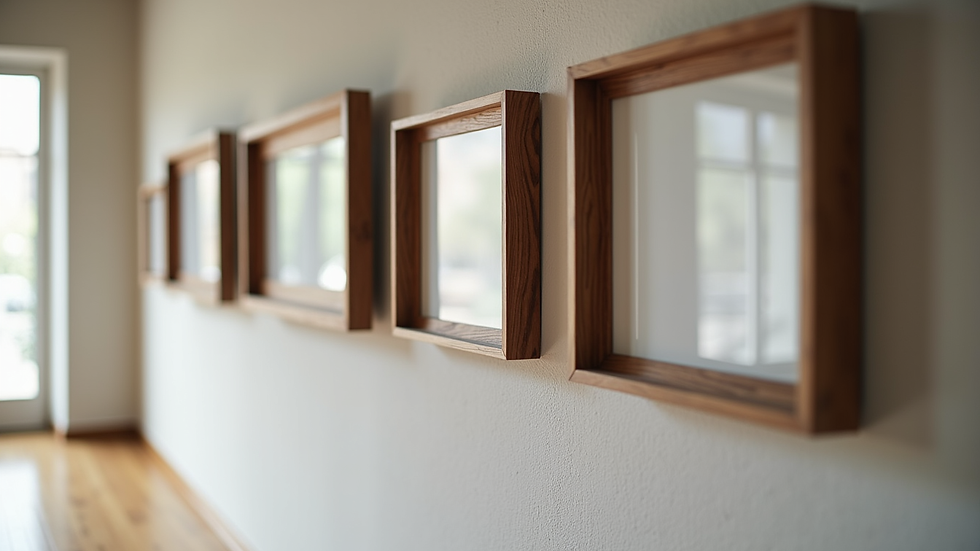
Using these materials not only preserves the artwork but also enhances its presentation. For example, a beautifully crafted wooden frame with a soft cream mat can bring out the warmth in a vintage photograph, making it a cherished centerpiece.
Step-by-Step: How We Approach Custom Framing
To achieve mastery in framing, following a clear process is essential. Here’s a step-by-step guide that we follow to ensure every project is handled with care and expertise:
Assessment
We start by examining the artwork or item to understand its size, condition, and style. This helps us decide on the best framing technique and materials.
Design Consultation
We discuss frame styles, mat colors, and glazing options with our clients. This collaborative step ensures the final product matches their vision and space.
Measurement and Cutting
Precision is key. We measure the artwork and cut mats and frames to exact dimensions. This step requires patience and attention to detail.
Assembly
The artwork is carefully mounted using archival methods to avoid damage. Mats and glazing are added, and the frame is assembled securely.
Quality Check
Before handing over the finished piece, we inspect it for any imperfections, ensuring it meets our high standards.
Installation Advice
We provide tips on how to hang and care for the framed piece to maintain its beauty over time.
By following these steps, we guarantee a professional finish that enhances and protects every cherished memory or artwork.
Bringing It All Together: The Art of Custom Framing
Mastering custom framing techniques is a rewarding journey. It allows us to celebrate creativity, preserve history, and beautify our surroundings. Whether framing a family portrait, a local artist’s painting, or a treasured keepsake, the right techniques make all the difference.
We encourage you to explore the world of custom framing techniques and discover how thoughtful framing can transform your space. Remember, every frame tells a story, and with the right approach, that story becomes a timeless treasure.
Let’s continue to cherish and showcase the art and memories that enrich our lives with care, passion, and expertise. Together, we can create framed masterpieces that inspire and delight for generations to come.


Comments